
Why Fentanyl Can Become Difficult to Stop Using
Fentanyl is a synthetic opioid, far more potent than many other opioids, and repeated exposure changes how your brain and body respond to it. Opioids attach to receptors that regulate pain and reward, and with continued use, your body adjusts its own chemistry to compensate for the drug’s presence. That adjustment is tolerance: the same amount no longer produces the same effect, so you need more to feel it. Over time, physical dependence sets in: your body reacts when fentanyl is removed after adapting to its presence. This is a physiological process, not a reflection of willpower, and it’s why stopping on your own can be physically difficult.
Why Fentanyl Carries a Higher Overdose Risk Than Other Opioids
Fentanyl’s potency is what makes an opioid overdose more likely than with other opioids: because such a small amount produces a strong effect, the margin between a manageable dose and one that suppresses breathing is much narrower than with heroin or prescription painkillers. Illicitly manufactured fentanyl is also frequently mixed into other substances, including pills sold as something else entirely, so exposure can happen without your knowing. Naloxone can reverse a fentanyl overdose, but its strength means more than one dose may be needed, and emergency follow-up still matters after naloxone is given.
Xylazine and the Changing Illicit Drug Supply
Xylazine, sometimes called “tranq,” is a veterinary sedative that is not approved for use in people. It has also been found in the illicit fentanyl supply, which means someone may be exposed to both drugs without knowing it.
Because xylazine is not an opioid, naloxone does not reverse its effects. Naloxone should still be given when an opioid overdose is suspected because it can reverse the effects of fentanyl or another opioid that may be present. When fentanyl and xylazine are used together, the combination can increase the risk of serious harm and make an overdose more complicated to manage.
Recognizing Fentanyl Withdrawal Symptoms
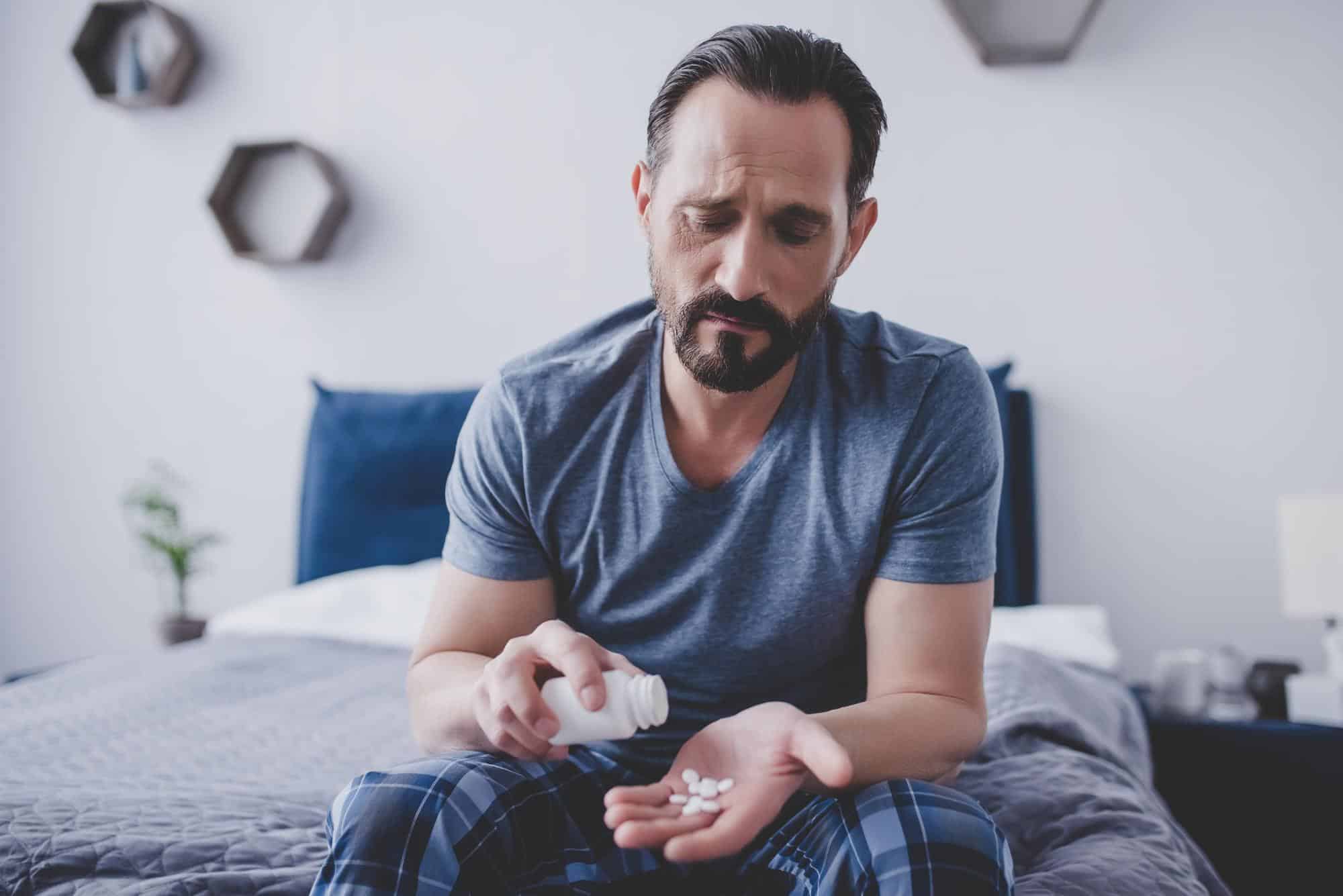
Opioid withdrawal, including withdrawal from fentanyl, can cause anxiety, muscle aches, gastrointestinal distress, sweating, and cravings. These symptoms happen as your body adjusts to the absence of a substance it has become physically dependent on. The severity and timing can vary, which is one reason professional support can be important when stopping fentanyl use.
Why Fentanyl Withdrawal Can Be Different
Fentanyl is highly fat-soluble, which means it can accumulate in body tissues and remain detectable after the immediate effects of the drug have worn off. This can make the course of withdrawal less predictable for some people. The timing and severity of symptoms can also depend on factors such as how frequently fentanyl was used, how much was used, and whether other substances were involved.
When detox is appropriate, a medical team can monitor your symptoms and determine what support or medications may be needed as withdrawal progresses.
When Detox Needs to Come Before Treatment at Redstone
Fentanyl withdrawal can be difficult to manage on your own. Medically supervised detox gives you access to clinical monitoring and medications that can help control withdrawal symptoms as your body adjusts. Clinical oversight means vital signs are monitored, complications are caught early, and medication can ease symptoms as your body clears fentanyl from its system. At Redstone Behavioral Health, our admissions team works with you to coordinate placement with a trusted detox provider, connecting you to the right medical care through referral and placement coordination, not detox services we deliver ourselves, so moving into direct clinical support happens without a gap once you’re stable.
What Comes After Detox at Redstone Behavioral Health
Once detox is complete, or if medical detox is not needed, treatment at Redstone Behavioral Healthcan begin at the level of care that suits the amount of structure and support you need. Your assessment helps our team determine where to start, and we can reassess your level of care as your needs change during treatment.
For fentanyl rehab in Bowling Green, we offer three levels of outpatient care:
- Partial Hospitalization Program (PHP): Our most structured level of outpatient care, providing more treatment time and clinical support during the week while allowing you to return home outside of programming.
- Intensive Outpatient Program (IOP): Provides regular treatment with more flexibility than PHP, leaving more time outside of programming for work, school, family, and other responsibilities.
- Outpatient Program (OP): Our most flexible level of care, with ongoing therapy and clinical support based on your treatment needs.
There is no required order for moving through these programs. Some people may begin with PHP and later transition to IOP or outpatient care, while others may start directly in IOP or OP. Where you begin depends on what we learn during your assessment, and your care team can recommend changes if the amount of support you need changes over time.

How We Treat Fentanyl Use Beyond the Physical Dependence
Redstone Behavioral Health’s clinical program draws on several evidence-based therapies that can address different needs during treatment. Some focus on patterns connected to substance use, while others help you build coping skills, manage difficult emotions, strengthen communication, or address concerns affecting your daily life.
Building Coping Skills Through CBT and DBT
Cognitive behavioral therapy, or CBT, focuses on the thoughts, behaviors, and situations connected to fentanyl use, helping you recognize patterns and practice different ways of responding to triggers and cravings. Dialectical behavior therapy, or DBT, builds skills for managing difficult emotions, tolerating distress, and coping with challenging situations.
At Redstone Behavioral Health, CBT and DBT may serve different roles within your treatment plan. CBT can help you examine patterns connected to substance use, while DBT gives you practical skills for managing emotions and distress when they come up.
Family Therapy: Addressing Substance Use Together
Fentanyl use can affect relationships with the people closest to you. At Redstone Behavioral Health, family therapy delivers a structured space to address those effects with clinician support. Sessions may focus on communication, boundaries, relationship concerns, and helping family members better understand substance use and treatment.
Family involvement looks different for everyone. When it fits in your treatment plan, your care team can work with you to decide how and when people close to you participate.
Expressive Arts and Holistic Therapy as Complementary Support
Expressive arts therapy provides another way to explore thoughts, emotions, and experiences that may be difficult to put into words. Holistic approaches, including mindfulness-based practices, can help you build skills to stay present and respond to stress or difficult emotions as they arise.
Medication-Assisted Treatment for Opioid Use Disorder
Medication can be an important part of treatment for opioid use disorder. Buprenorphine, methadone, and naltrexone are FDA-approved medications used in opioid use disorder treatment. They work in different ways to help manage opioid use, including reducing withdrawal symptoms and cravings or blocking the effects of opioids.
At Redstone Behavioral Health, we may incorporate medication-assisted treatment into your care when clinically appropriate. Medication works alongside therapy and other clinical support, not replacing them. Your provider can monitor how you respond and determine whether medication should remain part of your treatment as your needs change.
Preparing for Cravings Outside of Treatment
Relapse prevention starts well before formal care ends, identifying the specific people, places, and emotional conditions that put you at higher risk of returning to fentanyl use. At Redstone Behavioral Health, we build this work directly into your plan: naming your triggers, practicing coping skills for daily life, and planning what to do when a craving hits outside a clinical setting.
As your treatment needs change, relapse prevention can also include planning for the support you may need outside of your current program. That could include ongoing outpatient care, community-based recovery support, or people you can turn to when cravings or difficult situations come up.
When Fentanyl Use Is Not the Only Thing You’re Managing
Mental health conditions can occur alongside fentanyl use disorder. Anxiety, depression, trauma-related conditions, and other mental health concerns may affect what you experience during treatment. At the same time, fentanyl use can also affect mood, sleep, anxiety, and other areas of mental health.
At Redstone Behavioral Health, we can address substance use and co-occurring mental health concerns within the same course of care. Your treatment plan may include therapies, medication management when appropriate, and other clinical support that address both areas based on what you’re experiencing.